
























France’s northernmost region creates its own identity
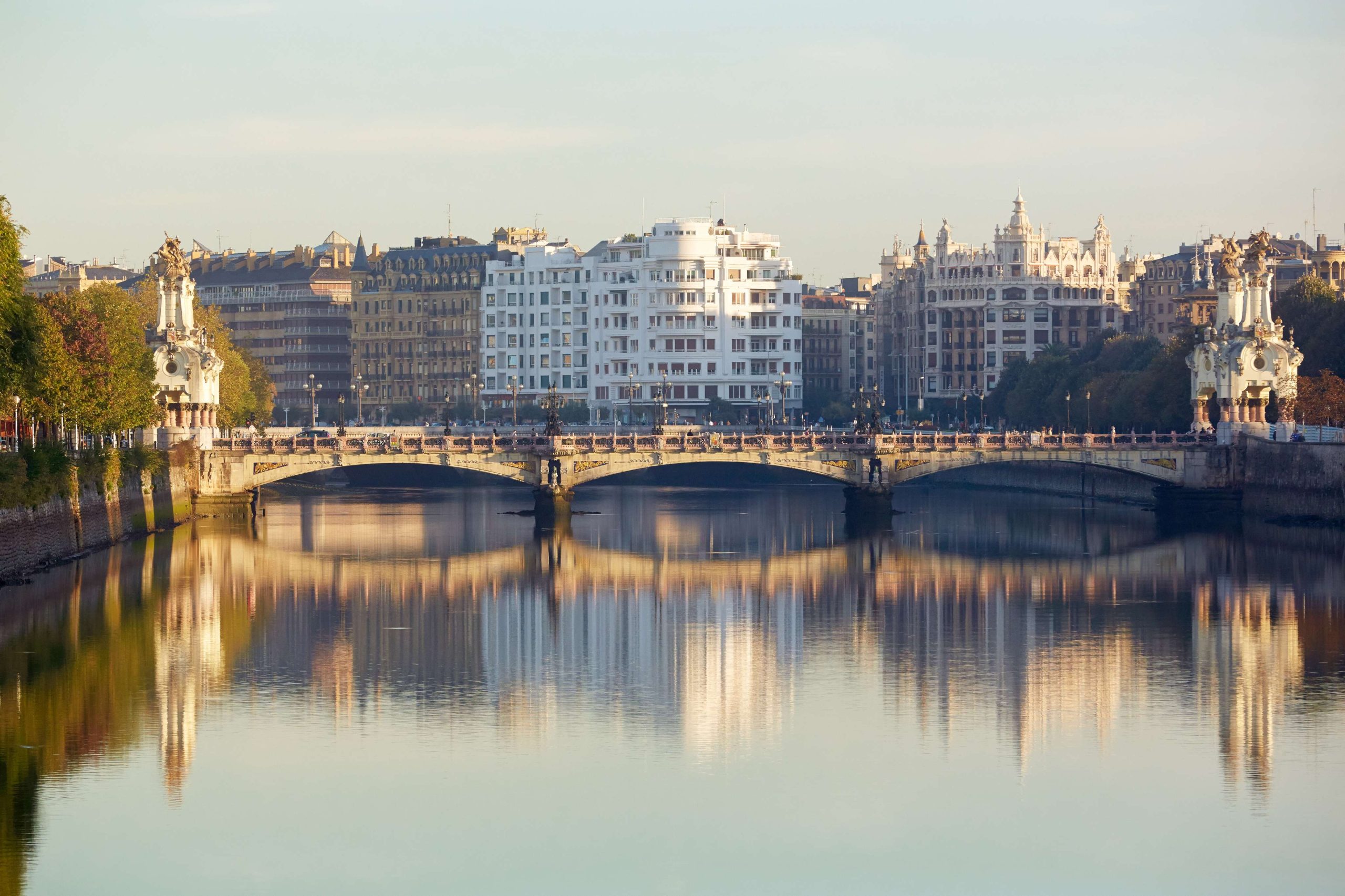
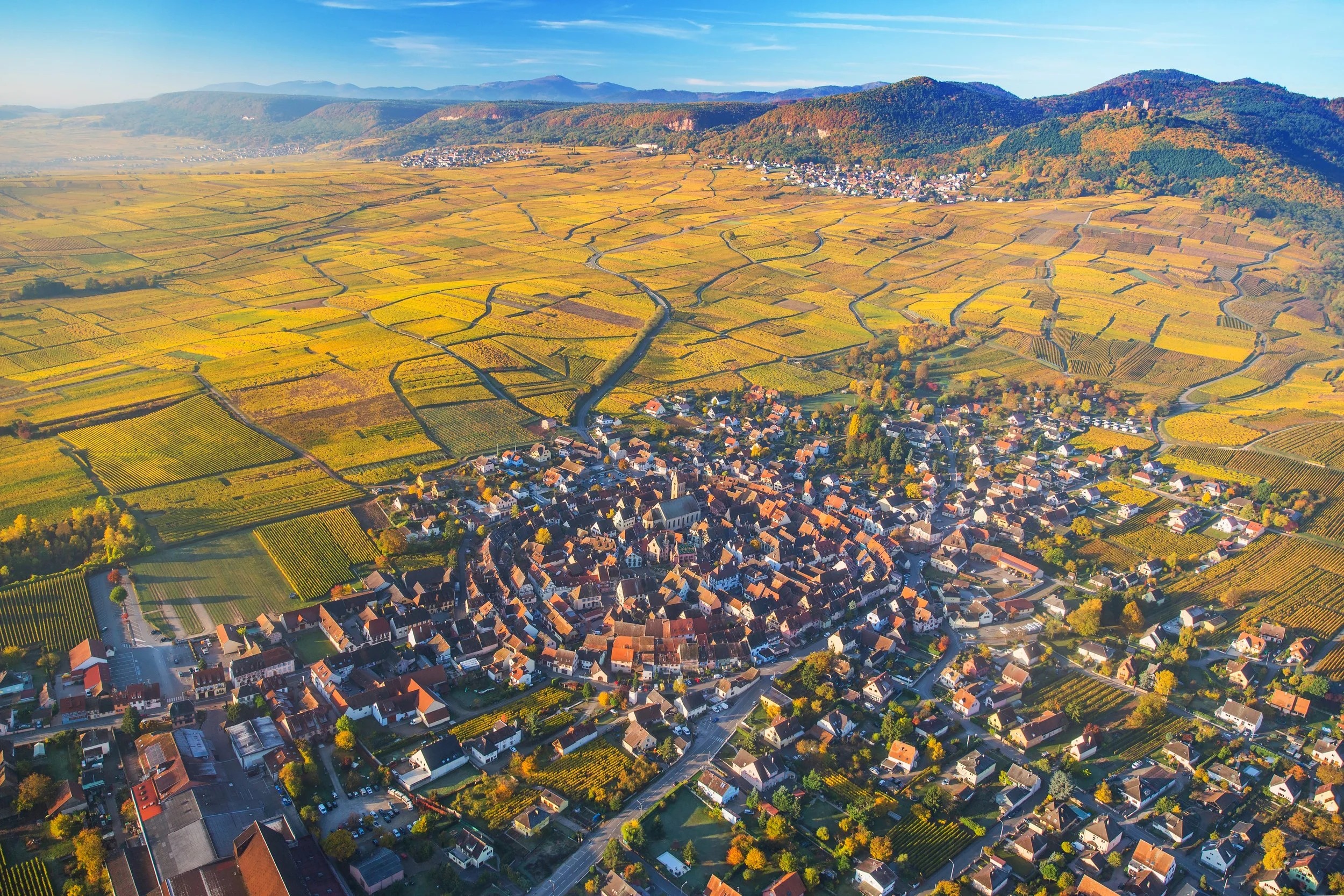
Sharing its borders with Germany and Switzerland, Alsace, a region in northeastern France, has ping-ponged between German and French control for centuries. While it reflects a mix of all three cultures in language, food and wine, it claims an identity that’s entirely its own. Ask any local, and they will tell you they are simply Alsatian.
With charming architecture featuring Bavarian-style buildings and spired cathedrals, the region itself is the smallest in France. Its cool climate, higher altitude, low rainfall, and patchwork of soils make it ideal for growing several different grape varieties, many considered noble.
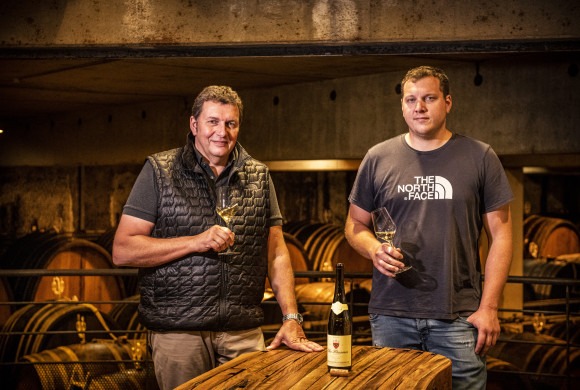
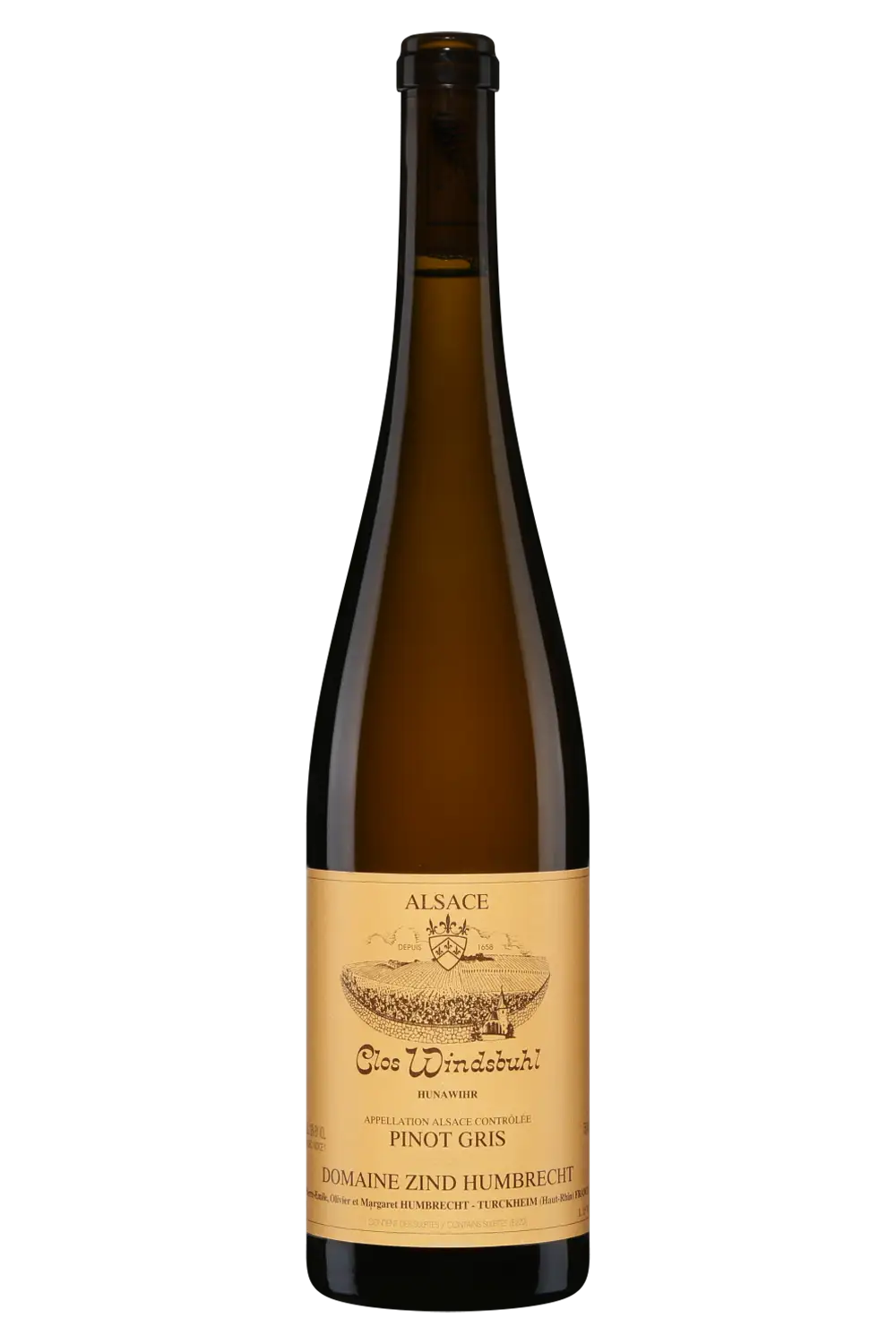
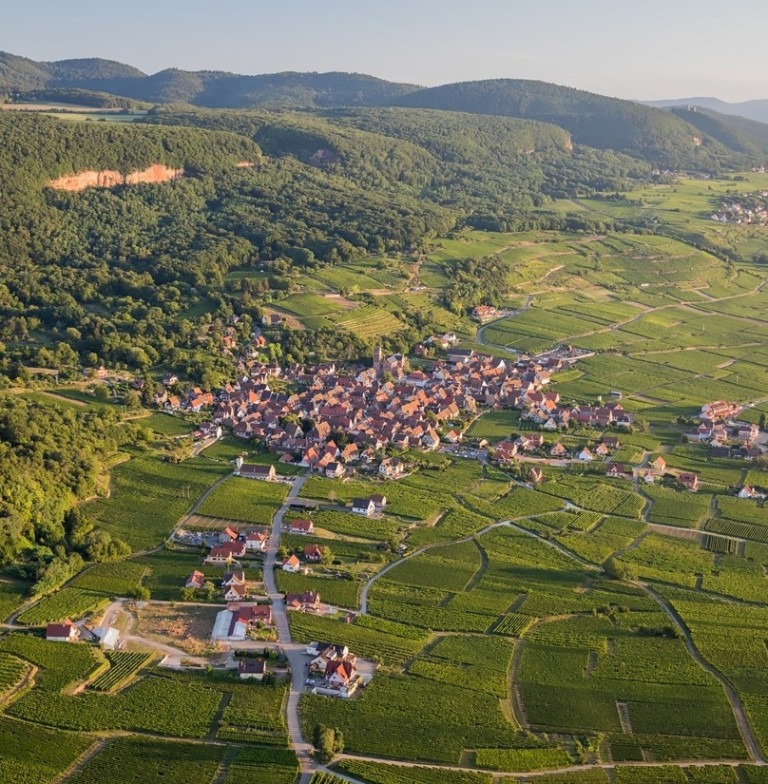
Domaine Zind-Humbrecht has passed vineyards from father to son since 1620. Today, Olivier Humbrecht and his sons oversee 42 hectares over several prestigious Grand Cru sites growing pinot gris, gewürztraminer and riesling. Pinot gris is familiar to many, but in Alsace, especially from Zind-Humbrecht, it offers a different experience. Not typically a grape known for its ageing, its stone fruit, pear and slate notes will evolve to smoke and beeswax over time. Some Grand Cru bottlings (Windsbuhl, Rangen de Thann, Heimbourg, and Turckheim) are available here in Alberta, though prices often exceed $160 per bottle. Check with your preferred retailer, as these wines are often stored in a locked cabinet. Once home, store them in a cool, dry place and wait.
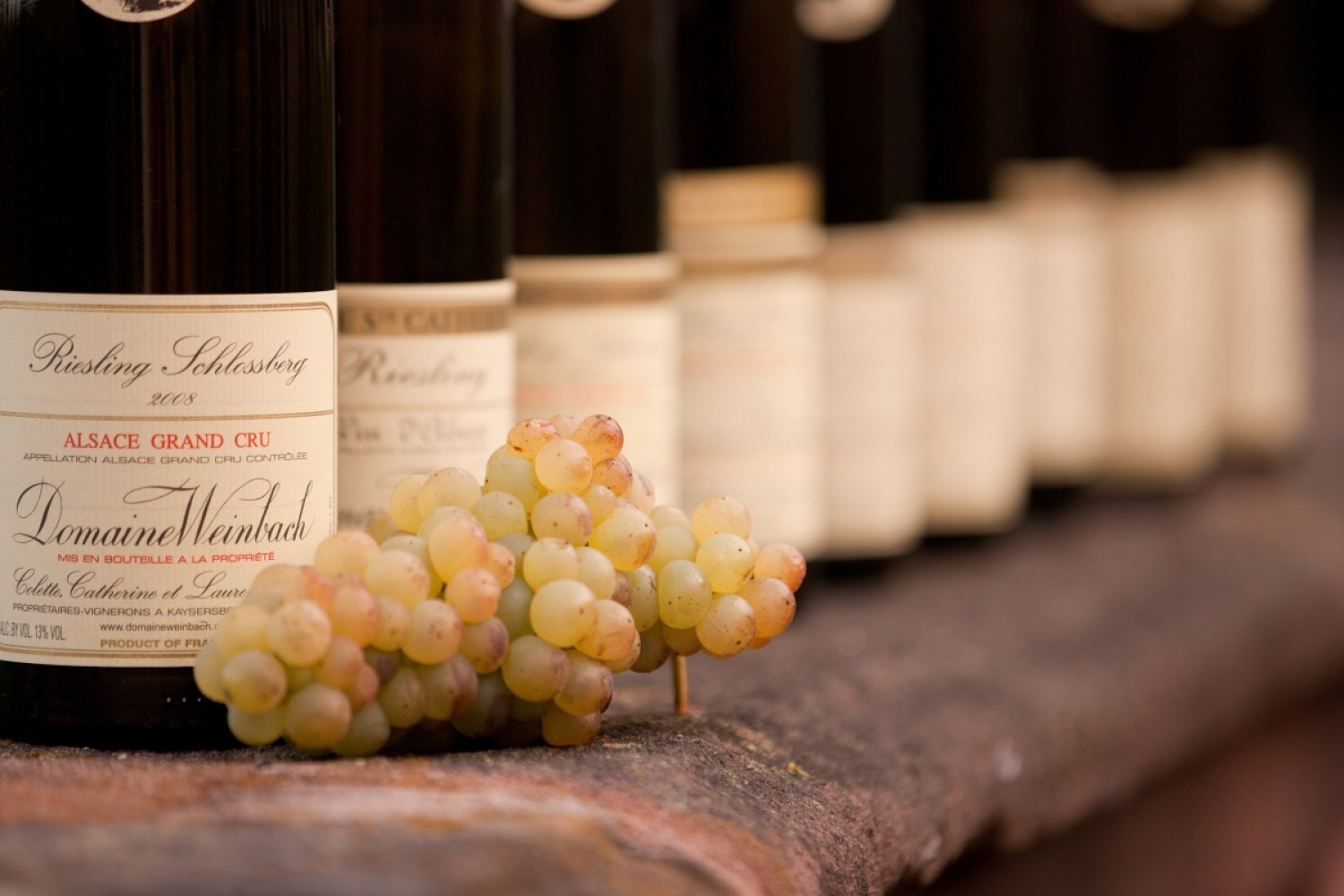
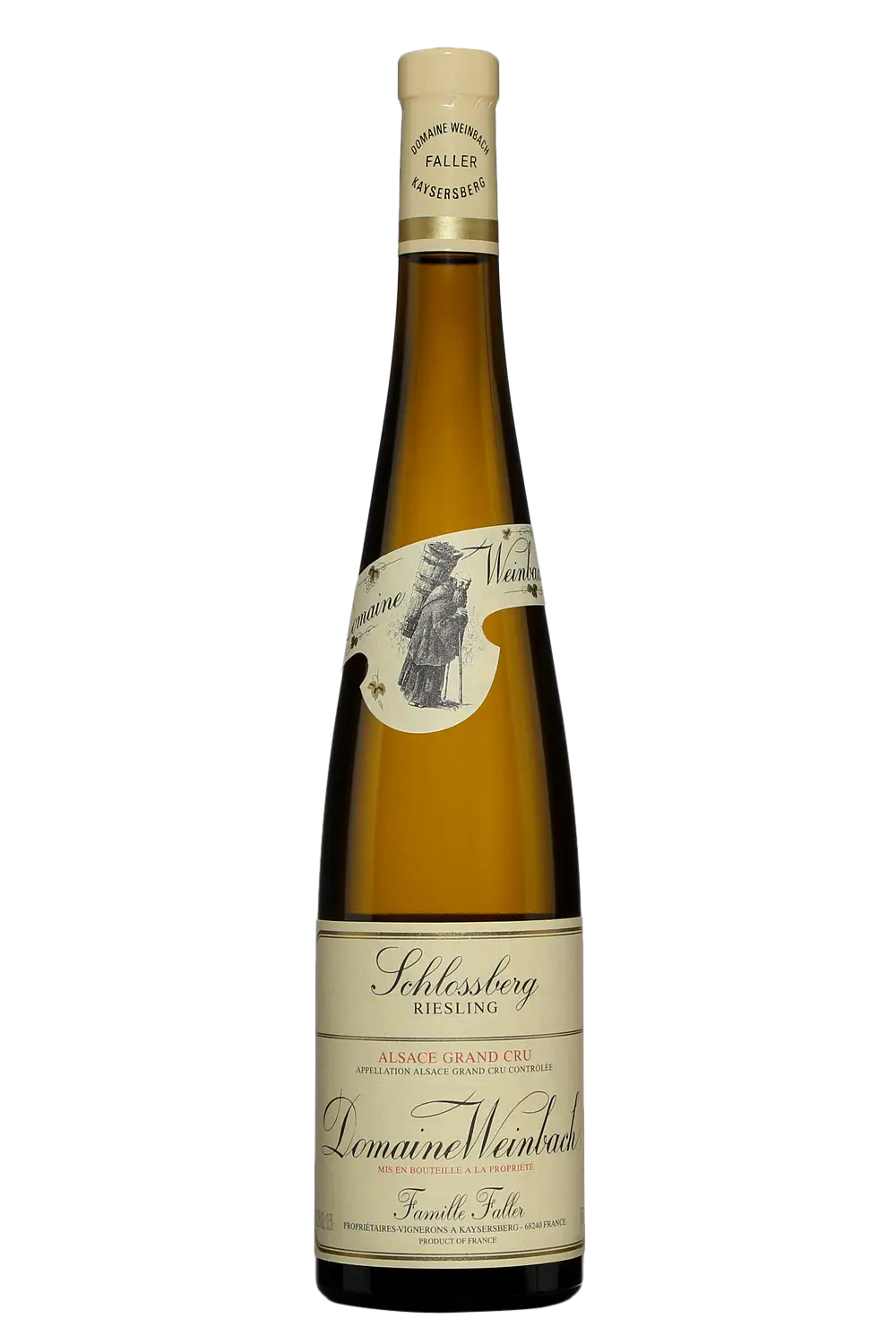
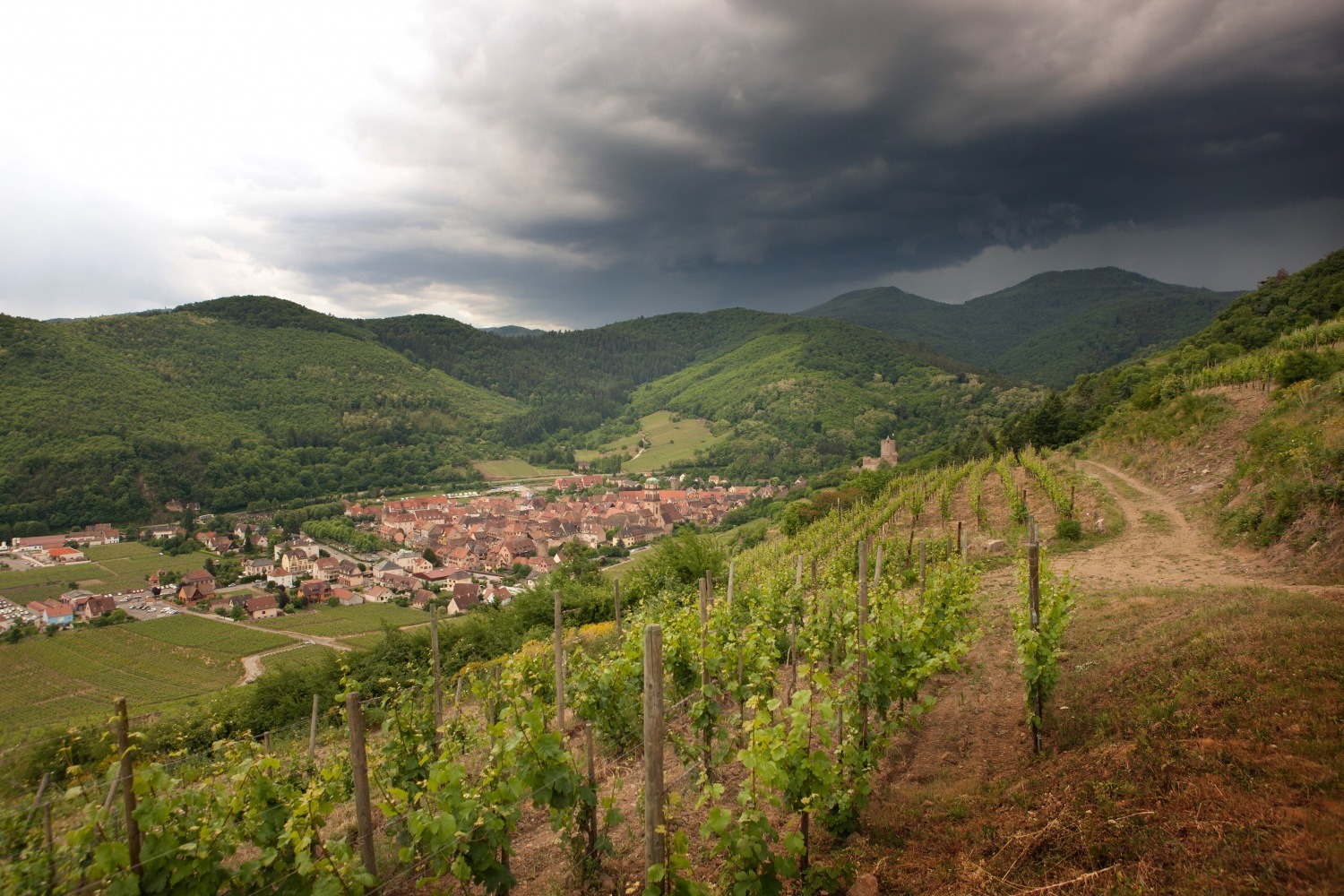
Riesling, one of the world’s greatest white wine grapes, is capable of producing geographically expressive (known as terroir in wine circles) and long-lived wines across a range of sweetness levels. Though quintessentially German, it is permitted in France only in Alsace, where it is the region’s most widely planted variety. With soils of granite, limestone, clay, shale, alluvial and sandstone, as well as the influence of altitude, the wines produced tend to showcase the land in which they grow, often with the ever-present, elusive note of minerality. Domaine Weinbach, built by the Capuchin monks in 1612, was sold during the French Revolution, then later acquired by the Faller family in 1898, who continue to champion Alsatian wines. Their riesling, Grand Cru Schlossberg, from Alsace’s oldest Grand Cru (classified in 1975) reflects the diversity of soils and richness of minerals found therein, which in turn offers finesse and aromatic purity to the wines.
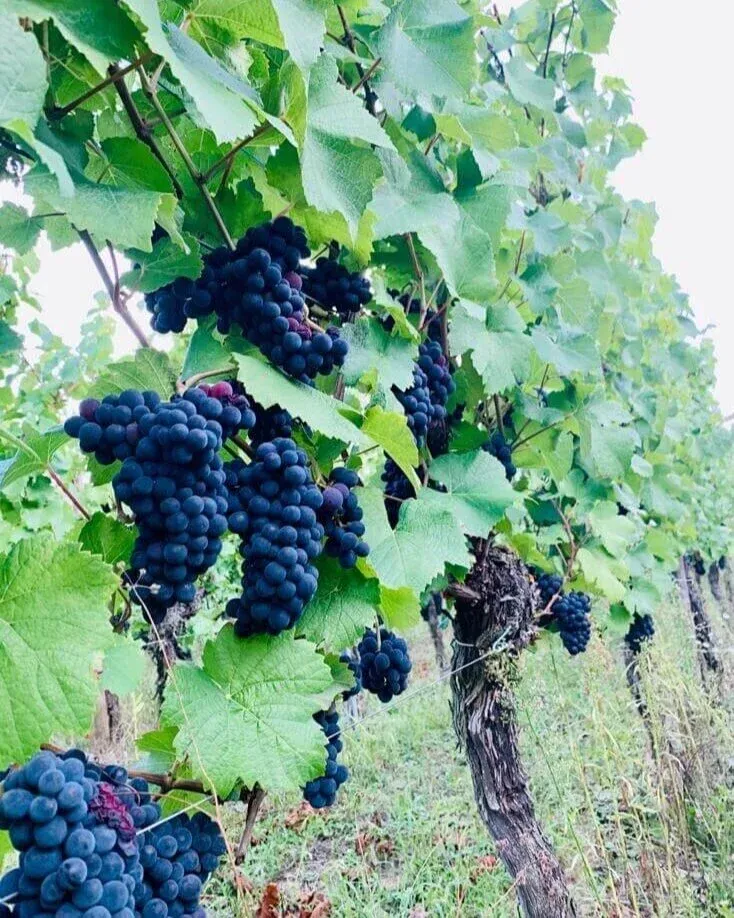
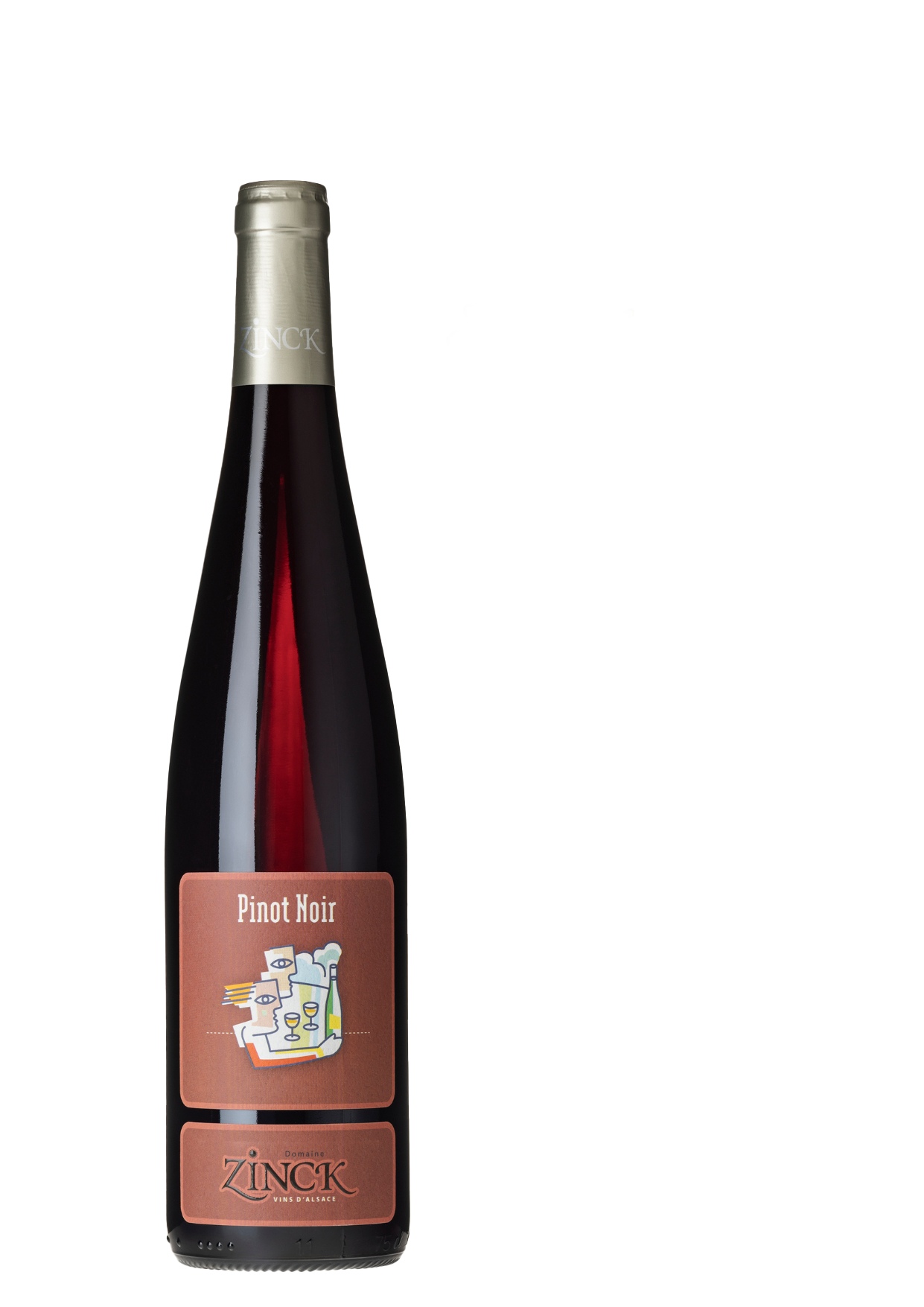
With mostly white varieties dominating the landscape, pinot noir stands as Alsace’s only red grape permitted under AOC (Appellation d’Origine Contrôlée) regulations, and one of its most underrated. While white grape varieties long held Grand Cru status, pinot noir only recently joined them. In 2022, two Grand Cru areas were finally granted rights to use the designation on the label after ten years of hard lobbying. And while there are no Grand Cru wines currently available in Alberta, there are a few Alsatian pinots worth seeking out. Zinck Terroir is one — an exceptional wine with red fruit aromas of strawberry, cherry and raspberry that combines both power, balance, and elegance — proof that Alsace’s quietest voice might just be its most compelling.
Places To Be
See this month's local flavours, products, and services.