








Artist Paul Freeman finds beauty, horror, and self-discovery in the natural world
Paul Freeman’s relationship with nature in art was nurtured while enrolled at Calgary’s Alberta College of Art and Design. While there, he experimented with a Canon colour copier to create art, placing people and objects on the glass, using it like a camera to make pictures. This method sparked a playful creativity, one he felt was missing at the time.
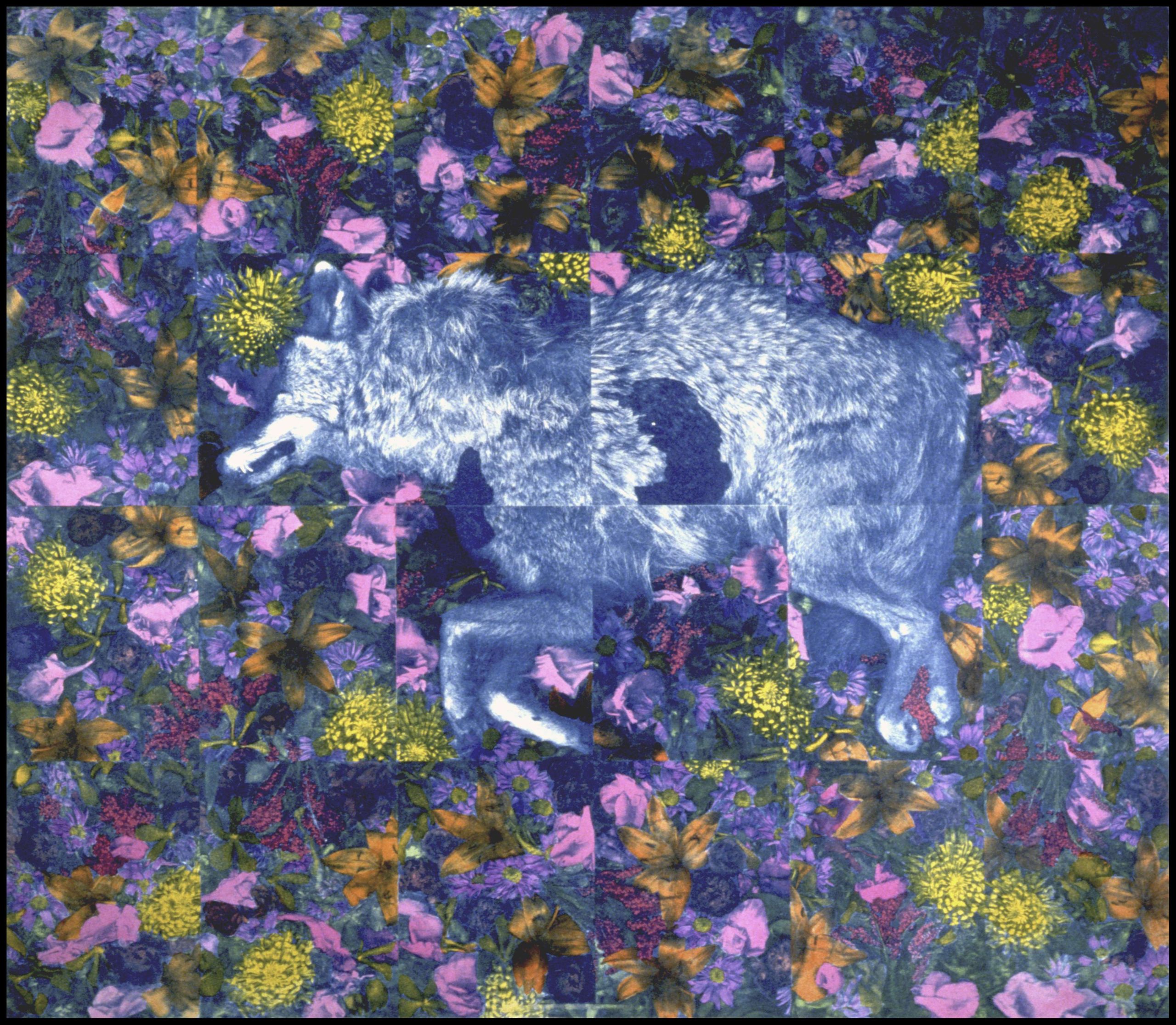
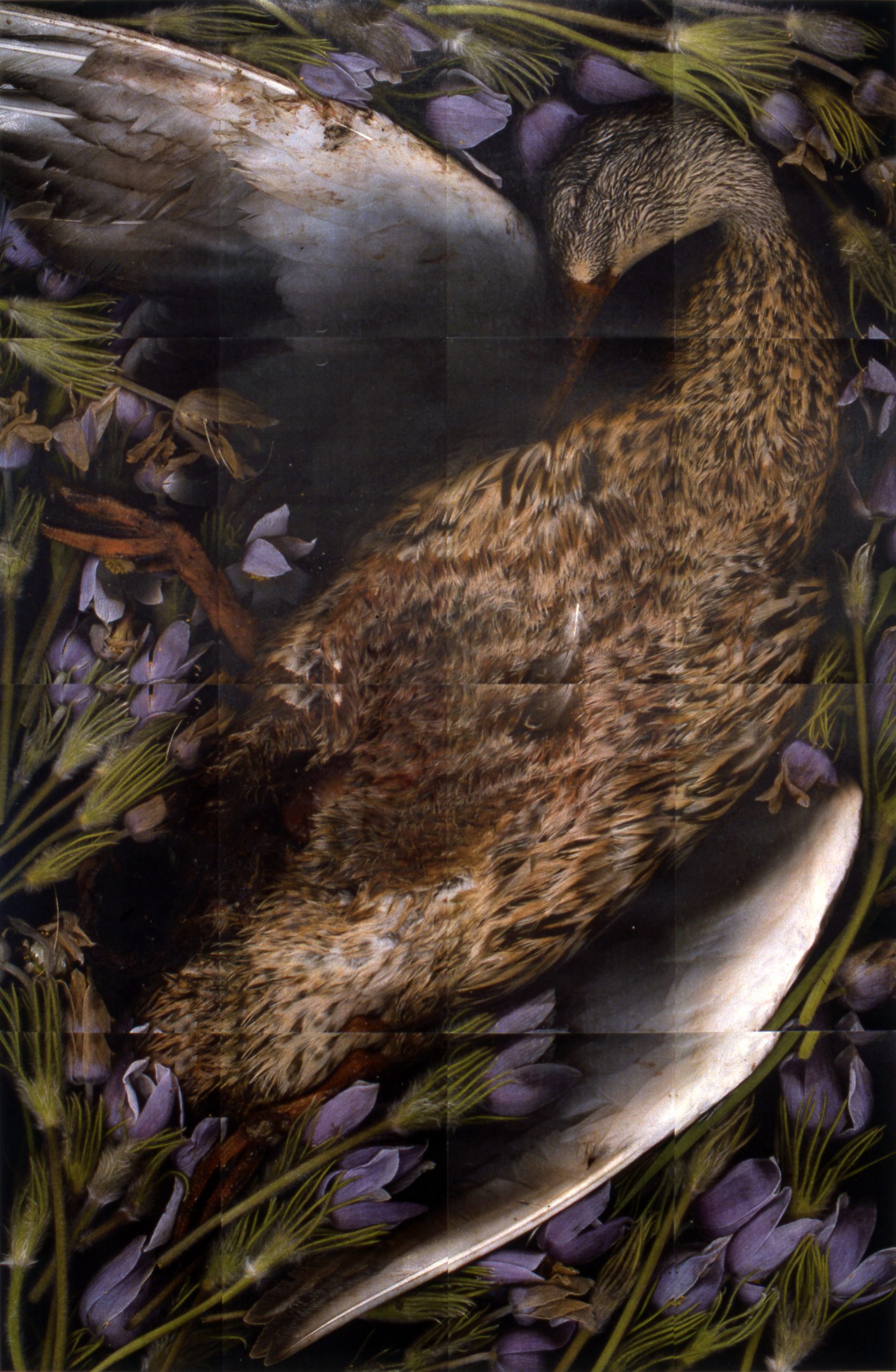
Later, versions of those creations appeared in art galleries. From plants to animals — both the living and the dead — everything in nature was fair game in Freeman’s quest to create still-life portraits and art. The photocopied deceased animals, often arranged with delicate flowers, represented the act of being broken apart and coming back together. The final results would often exhibit traits of memento mori, a Latin phrase meaning, “remember [that you have] to die,” which speaks to one’s mortality.
There has always been a push-and-pull between beauty and horror in Freeman’s work, and a willingness to discard rules when they are no longer useful. It’s a philosophy that took root early — he began at ACAD with an interest in jewellery design, then graduated with a degree in Interdisciplinary Studies and later a Master of Fine Arts from the University of Alberta. “I needed more than the jewellery program could offer me in terms of what I wanted to do as an artist, but I didn’t slot in easily into other programs,” he says of his educational path through life.
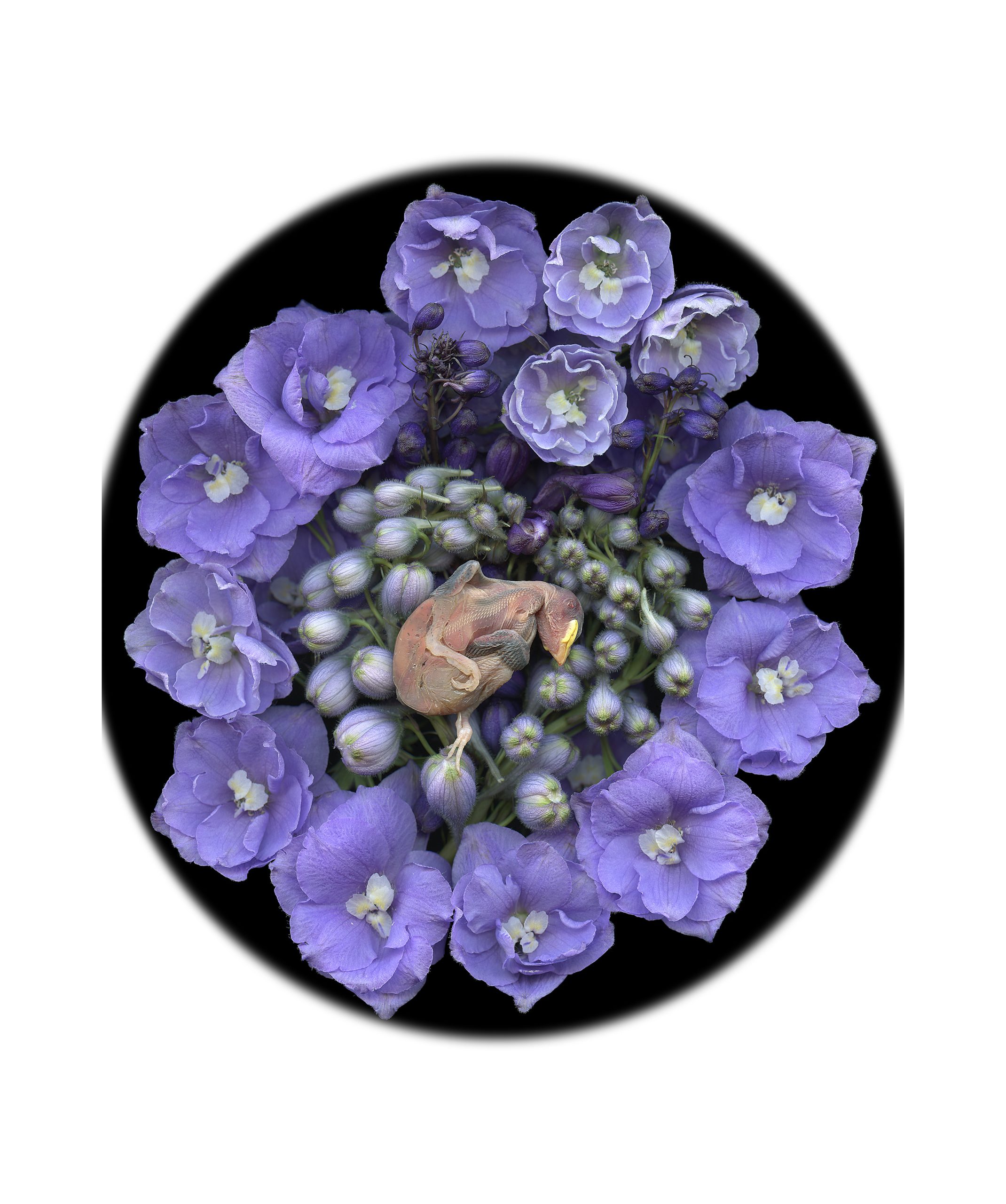
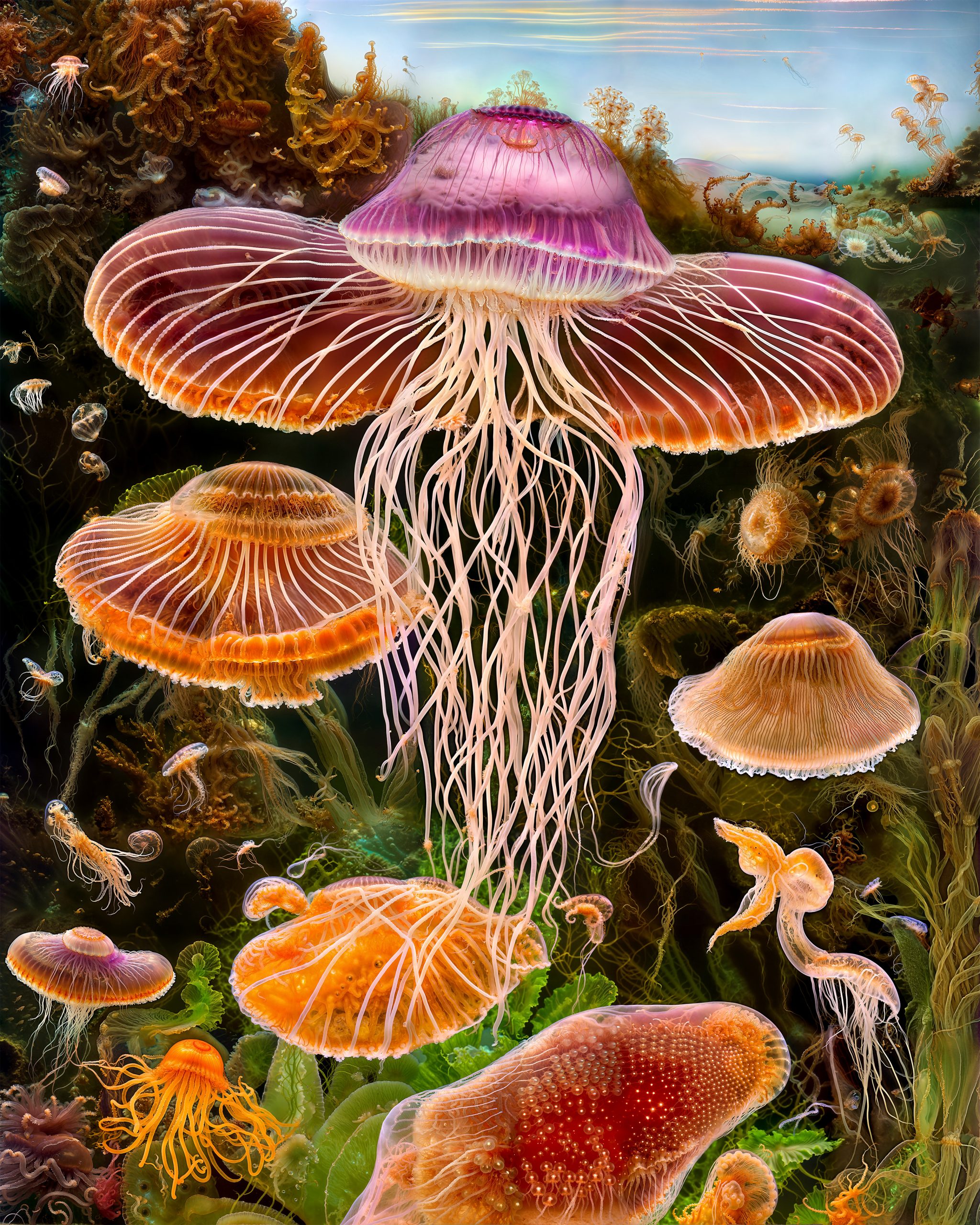
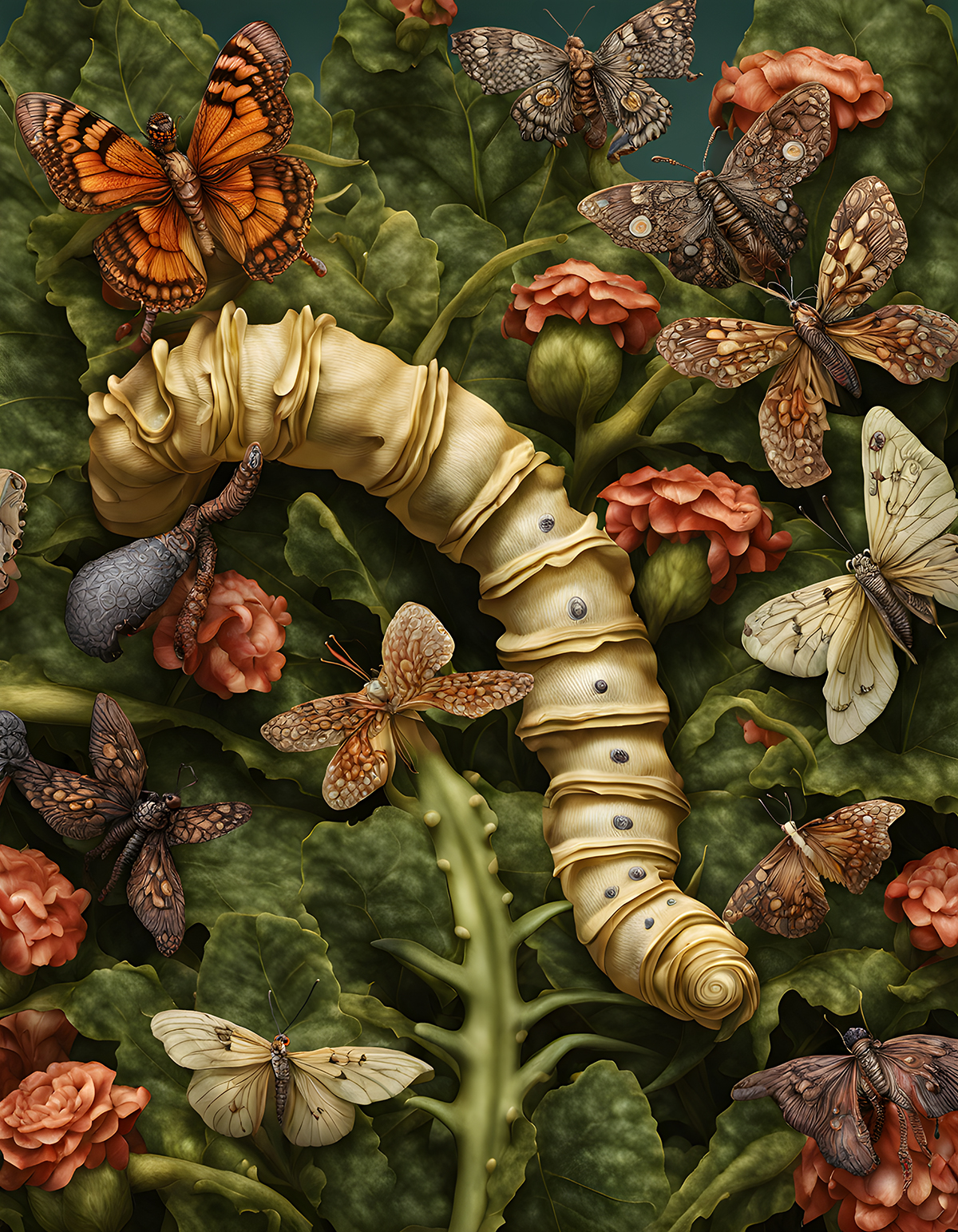
Now, he plays with casting, Photoshop and artificial intelligence as he pushes the margins of art, describing the latter form as an initially beautiful and interesting process but one that can “fall apart into slop, and look really kind of gross and boring.” Freeman, though, has developed a way to make his 2D images not only visually intriguing but also hyper-detailed and robust, delivering exceptional quality when printed. Completing the work to scale adds another level to the viewer’s experience. “You’d be able to walk up to it and see little bugs crawling on leaves, and it would read beautifully from the micro to the macro view.”
Presently, he is creating an A.I.-generated movie composed of 5-second clips depicting birds in a meadow, catching worms and feeding them to feisty hatchlings. Freeman enjoys testing what people deem acceptable in art.
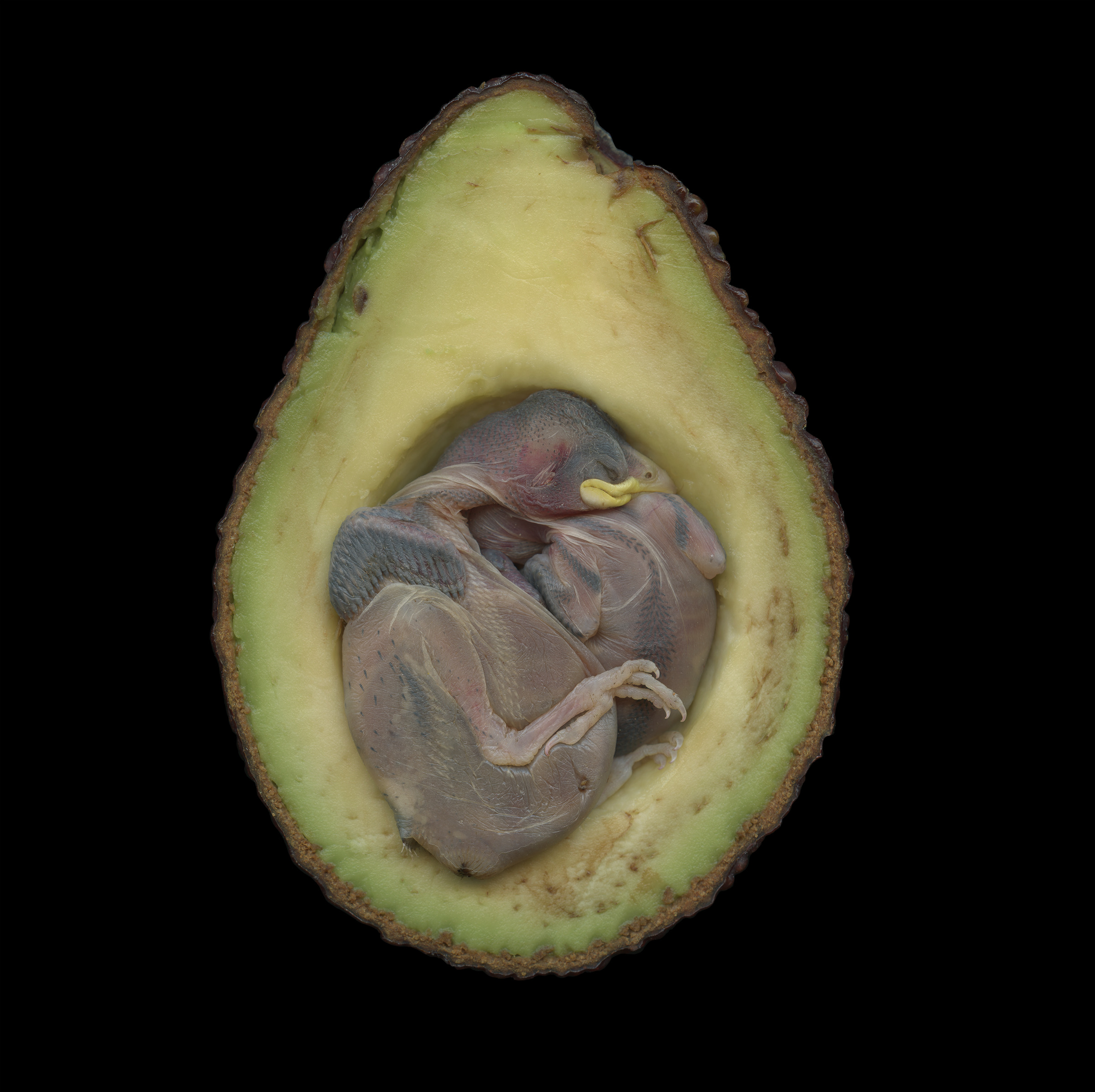
Delving into his sculptural work reveals something highly personal. Glimmers of his self-discovery journey appear in his exhibition “On the Antlers of a Dilemma,” a personal metaphor about defences. Freeman says coping strategies feel familiar and safe, but relying on them too heavily can lead to isolation. “That’s Only Natural,” a sculpture of two elk with antlers emerging from various parts of their bodies, reflects Freeman’s internal personal development. He says that whether he likes it or not, there’s something that’s trying to work its way to the surface.
While the intentions behind his art aren’t always clear to him at first, they do reveal themselves later on. His process for creating is natural and unguided; driven by instinct rather than intention. Recently, Freeman reconnected with his large collection of pastel art sets that he’s assembled over the years. He needs to start drawing again, he says. “Maybe that will unlock whatever it is I’m trying to do next…”
At the moment, the result remains in question. For Paul Freeman, the answer has never been the destination — it’s always been somewhere in the pursuit.
Places To Be
See this month's local flavours, products, and services.