
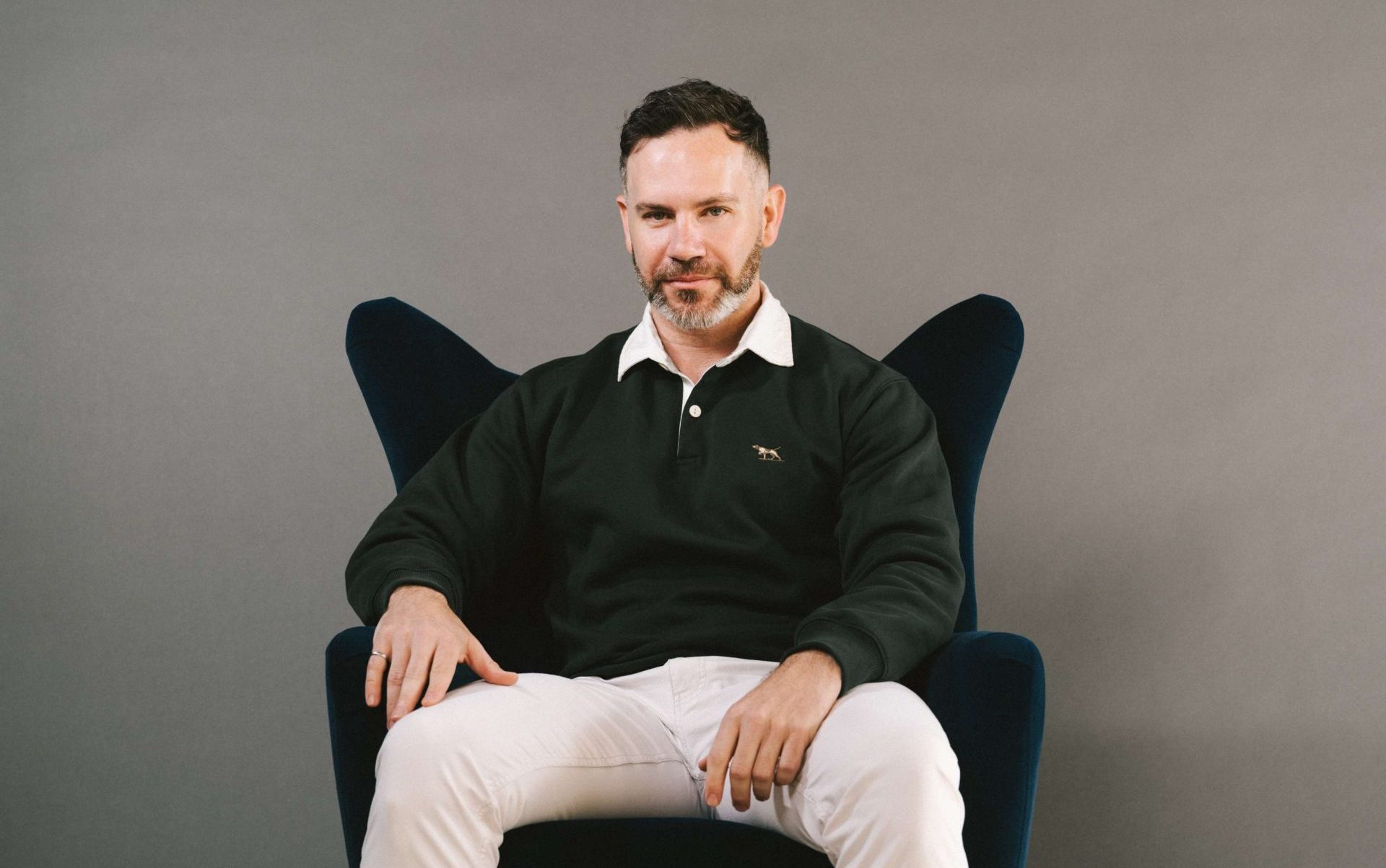
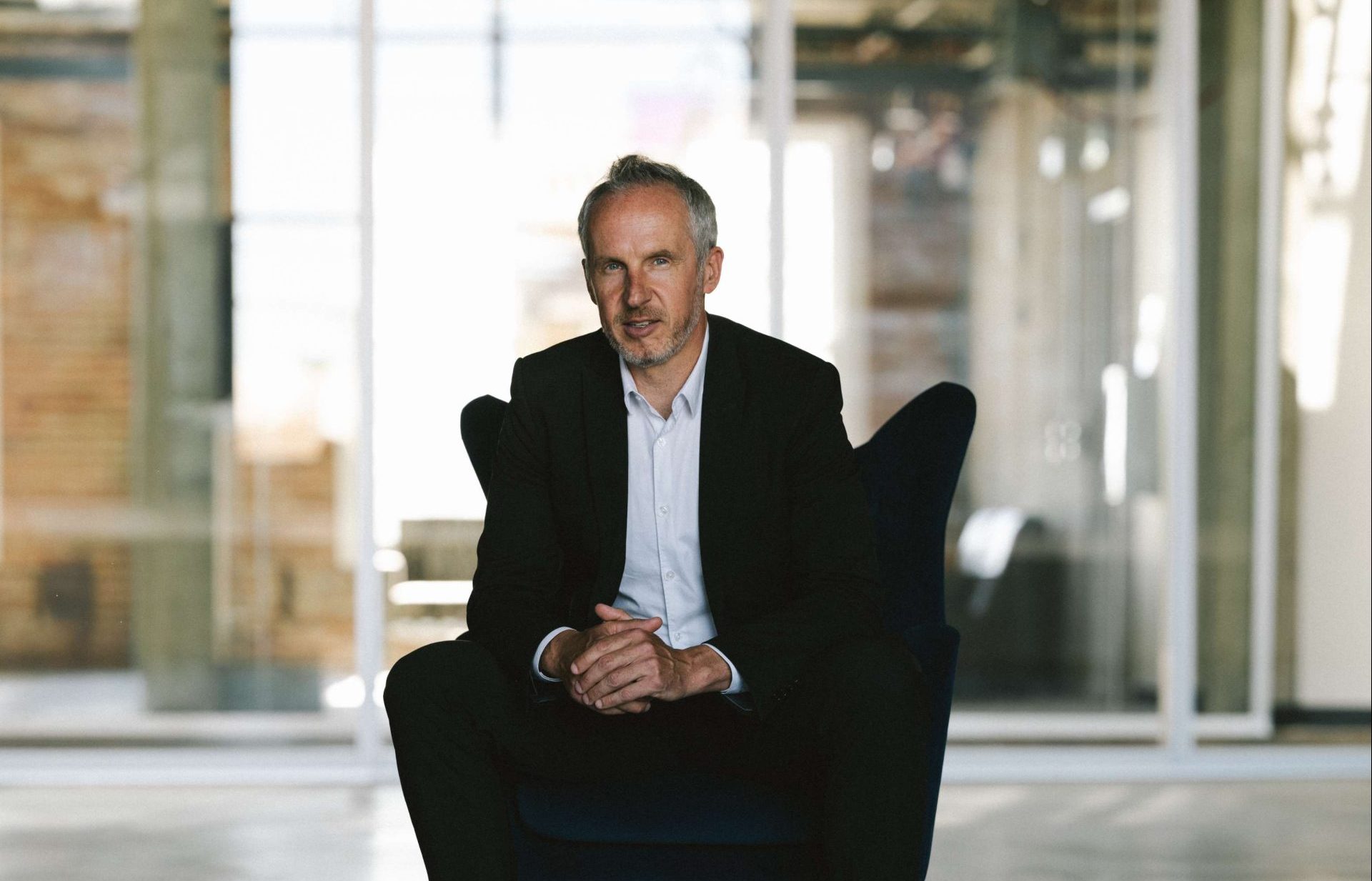
































































Inside Jean-Marie Zeitouni’s journey to the podium at the ESO
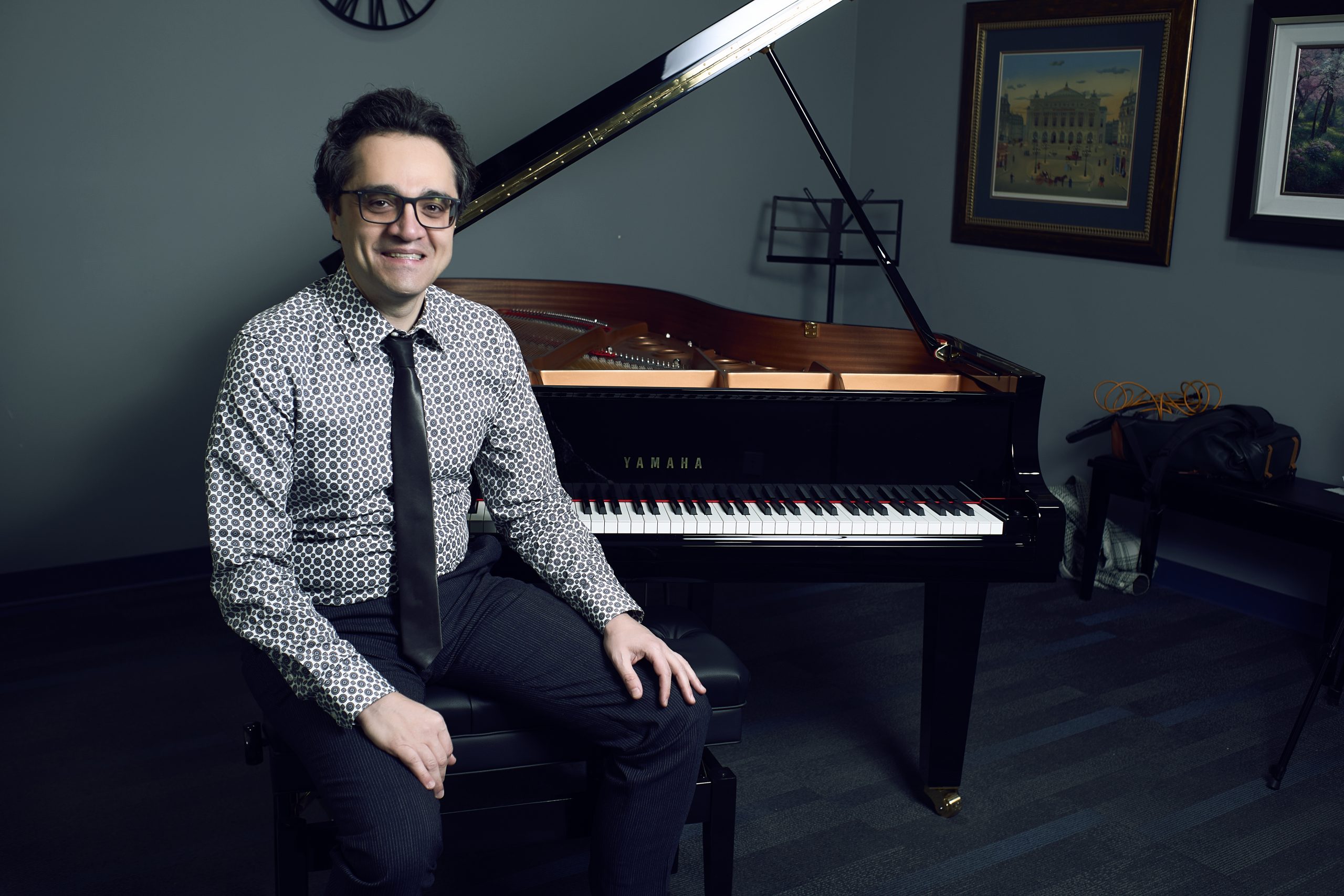
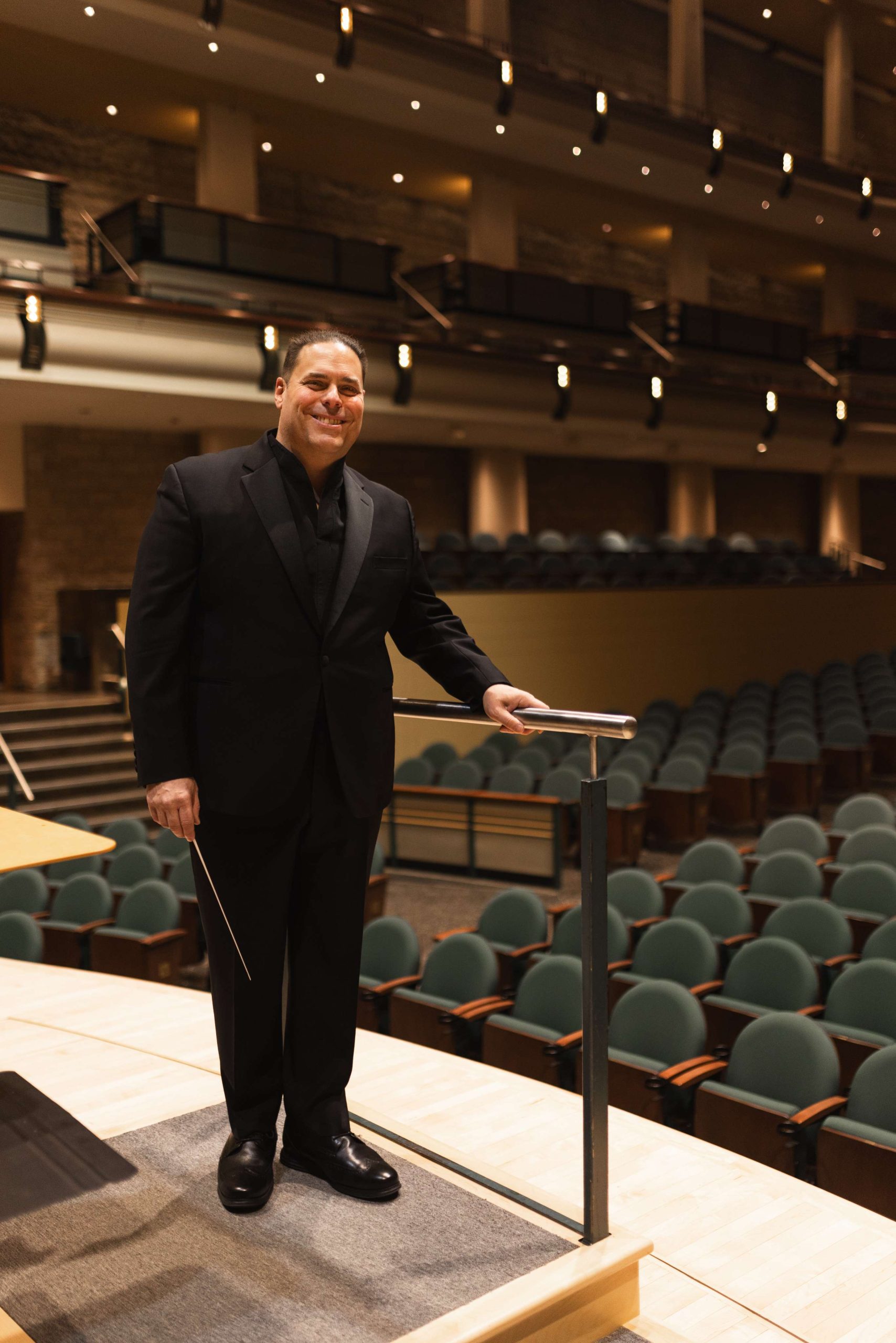
In early 2025, the Edmonton Symphony Orchestra (ESO) announced JUNO Award-winning conductor Jean-Marie Zeitouni as their next music director. Zeitouni is known for his expressive performances, exceptional vision, and his ability to develop deep connections with the musicians with whom he works. Prior to launching into another busy holiday season with the ESO, we caught up with Zeitouni to learn how his past experiences have shaped his career, as well as his future vision for the orchestra here in Edmonton.
You’ve had a long relationship with the ESO. Do you remember your very first impression of the ensemble?
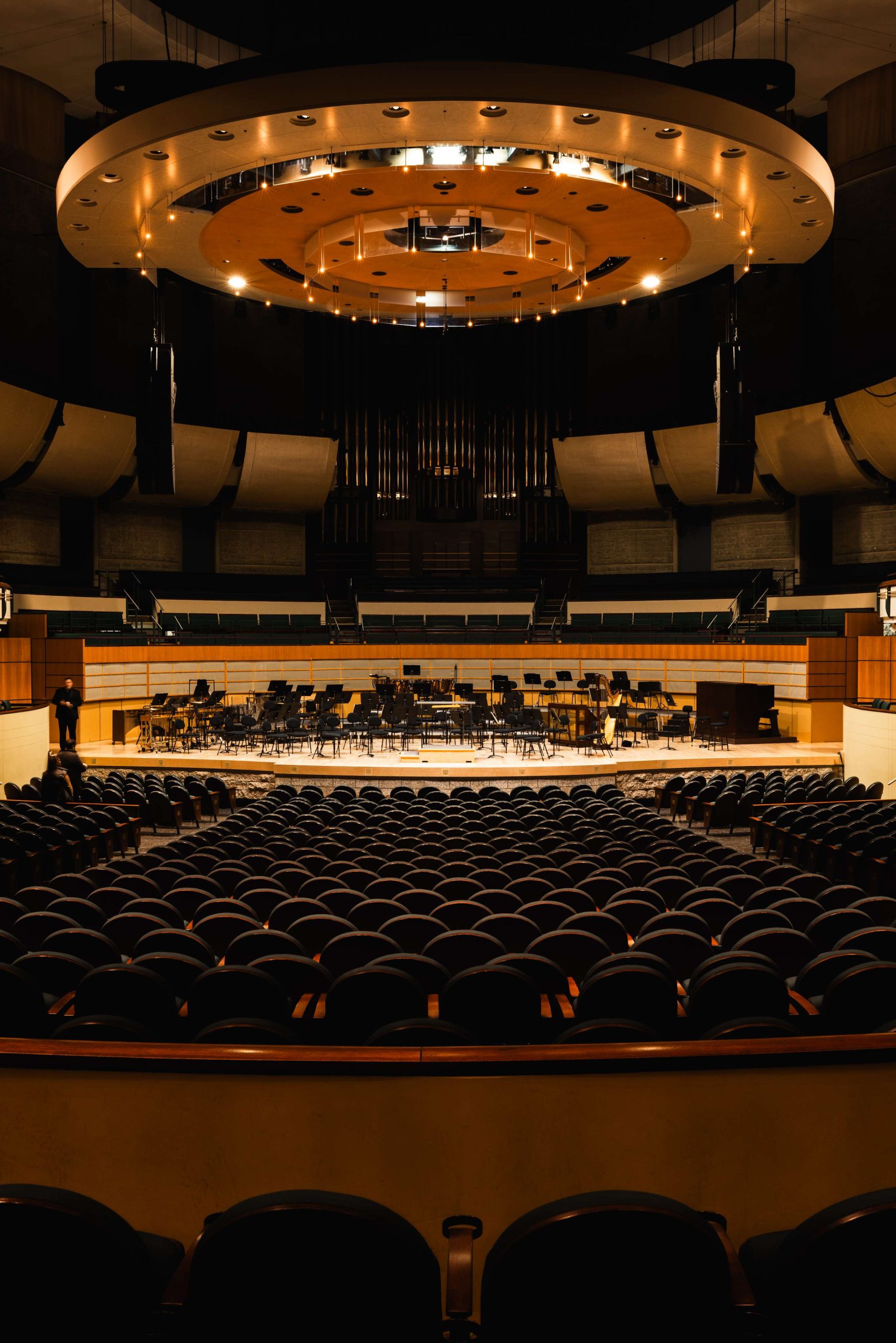
My first time working with the Edmonton Symphony Orchestra was about this time of year in 2006. It was my very first engagement outside of Quebec. I remember the experience feeling like, “Wow. I made it!” When I got to the Winspear and saw this magnificent world class concert hall and the orchestra, I was elated. Everyone was so welcoming. Although I was a young conductor then, they took the time to listen to my ideas and everybody seemed available to try different things. It was an uplifting experience and I remember soon after my first engagement, they called me again to come back. That’s always the best sign. If they call you back, it means that they had a good time based on the actual experience and not just word of mouth. That is the best compliment.
After so many guest appearances, what does it feel like to now officially call the ESO your orchestra?
I take it as an honour and a responsibility. My role is to cultivate the relationship of these musicians—the same way you take care of a family or a garden, to have patience and long-term vision. It isn’t just about putting on a good concert on the weekend. My responsibility is to ask where we will be in five years and what can I do right now to plant the seed. What can I do to water every part of the garden and to give vitamins, like encouragement and compassion. The first time that a conductor and an orchestra work together, it may click or it may not click, but even if it doesn’t click, the orchestra are professionals and they will accommodate. When it does click, it’s great because it feels natural, just like we’ve played together before and there’s this sense of familiarity. Because we did have that “click” moment when I took over in Edmonton, our starting point is more familiar. We have a better understanding of each other—what they can do, and what I can do. It means that the results must be exponentially greater because the starting point is greater.
You’ve led ensembles across North America, Europe and Asia. What kind of lessons are you bringing from those experiences to this position now in Edmonton?
Everywhere I go, either for an opera production or a symphonic concert, I first get to know the environment. I ask myself what they do in the South of France to make people feel welcome, and what must we do to get people interested enough to devote their time (and surrender their phones) to have an experience together? Now how do they do the same thing in Brazil or in other Canadian cities? I then try to adapt this knowledge and extract what could be the functioning initiatives that we can use to create that interest.
The other thing to consider is the experience of the musicians. What is their definition of “harmony” or “as soft as possible?” What is their definition of “playing generously?” I have many layers of musical experience that I bring from different countries. I take that information and then learn about the orchestra so we can combine all of this into a unique sound. I am able to tell the musicians that I know something is possible because I’ve heard it and I’ve done it elsewhere. I challenge my orchestra to go deeper and go further. We want to have an orchestra that’s always itself, but has the versatility to have multiple personalities, to serve the music we play with the specific approach for each style, period, or nationality of music.
How does the culture of Edmonton’s musicians compare with other cities that you’ve worked in?
The most striking thing about the abilities of the Edmonton Symphony is that versatility. This is amazing because they can play baroque music but they can also play a rock and roll show. They can adapt so when bands come through, they often feel as if they are playing with their own personal musicians. This is a strength that’s completely outstanding here in Edmonton—that they are willing to get involved in the genres that they are playing where other orchestras might say, “Oh, that doesn’t fit our style.”
What excites you most about where orchestral music is heading right now?
I think that there has never been a time in history where we could be as useful to humanity as right now. This could be seen as an overwhelming responsibility but it’s also beautiful because I imagine that humanity has an illness: inattention—and we are part of the cure. We are more relevant today simply because of all the craziness and quickness of society. We have difficulty being in the present moment. Live music helps us slow down and be present.
Places To Be
See this month's local flavours, products, and services.